Christmas and the “disturbing” cost of being a Christian disciple today
Article by Bishop Fintan Monaghan for the Irish Daily Mail on 24th December 2025
Pictures kind courtesy of Pat Hanrahan
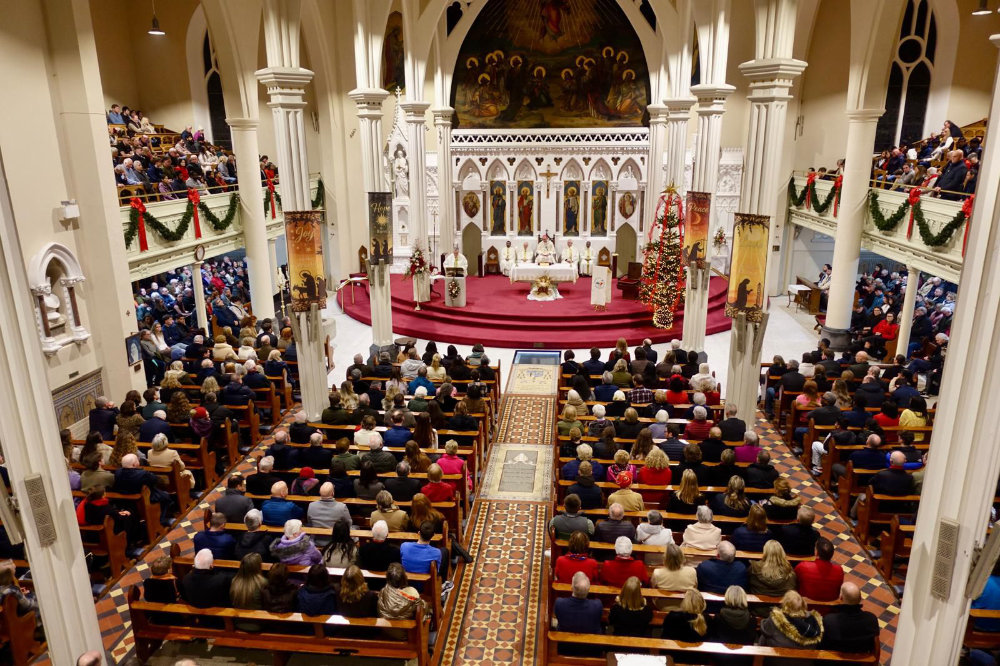
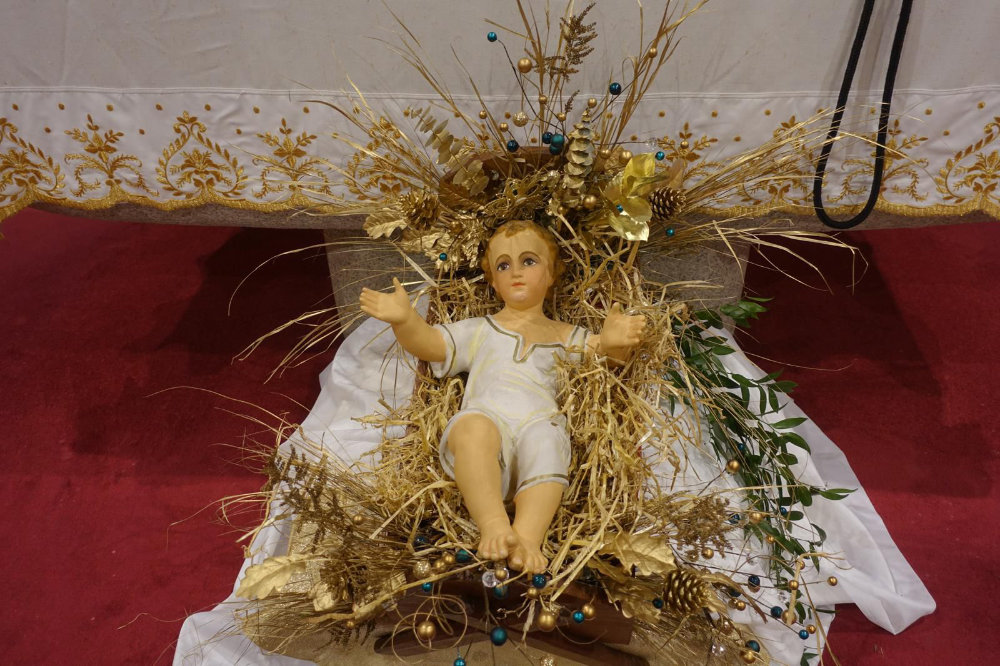
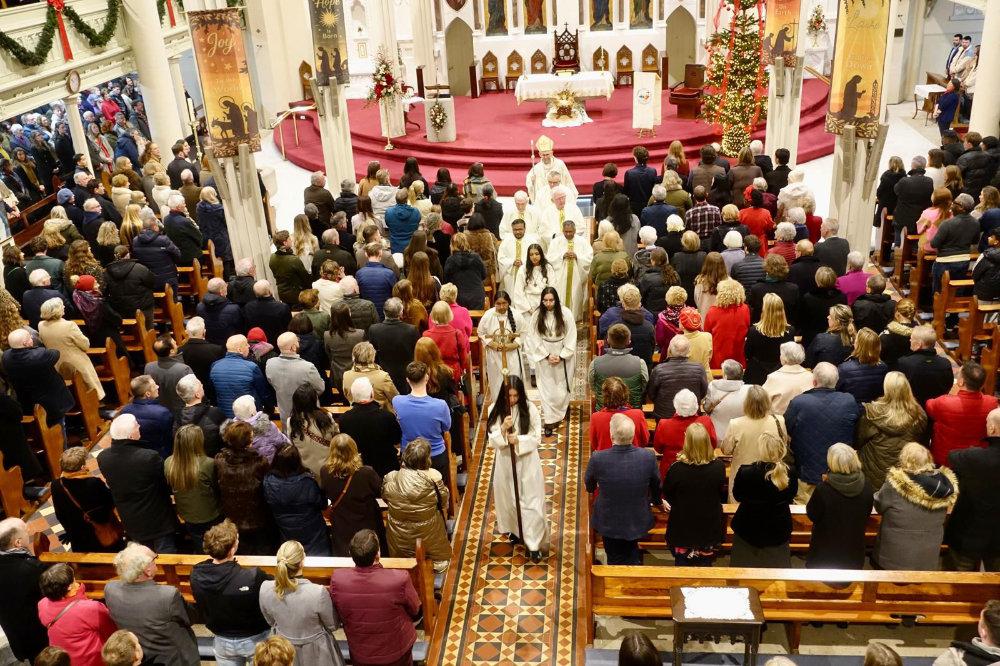
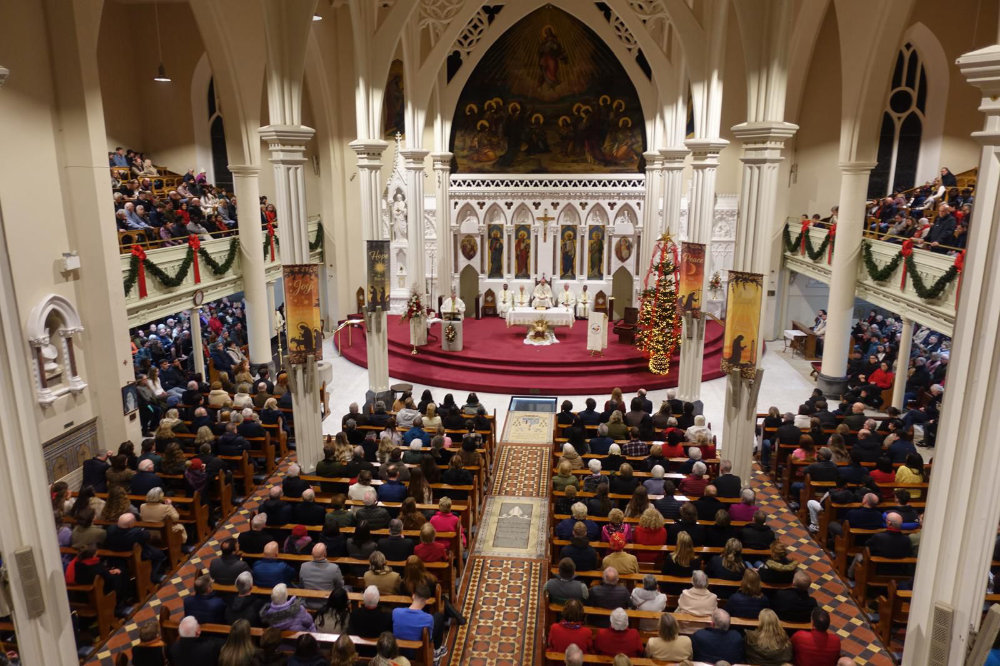
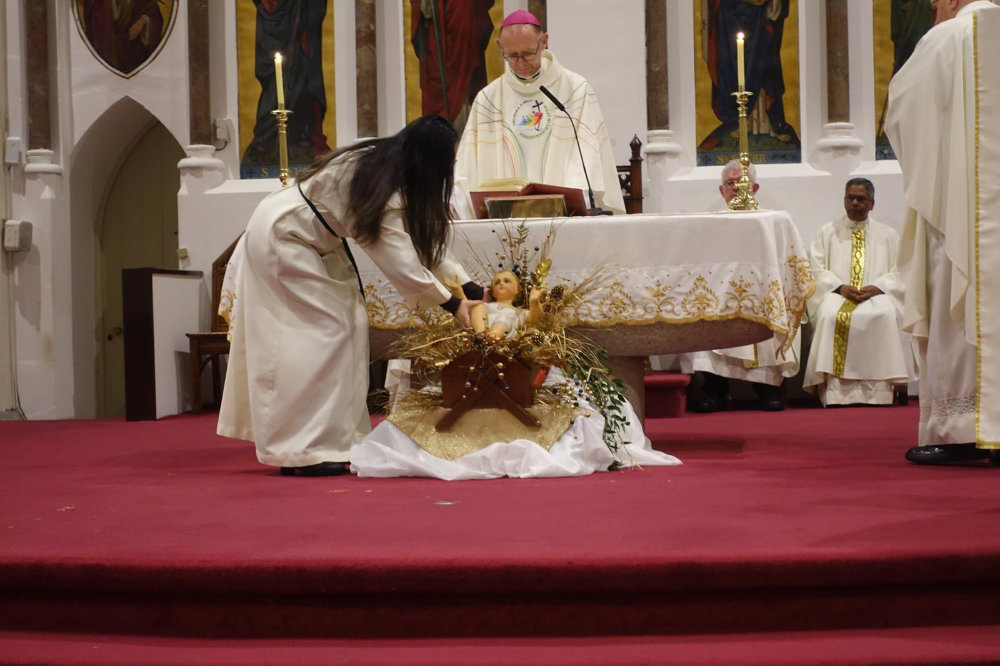
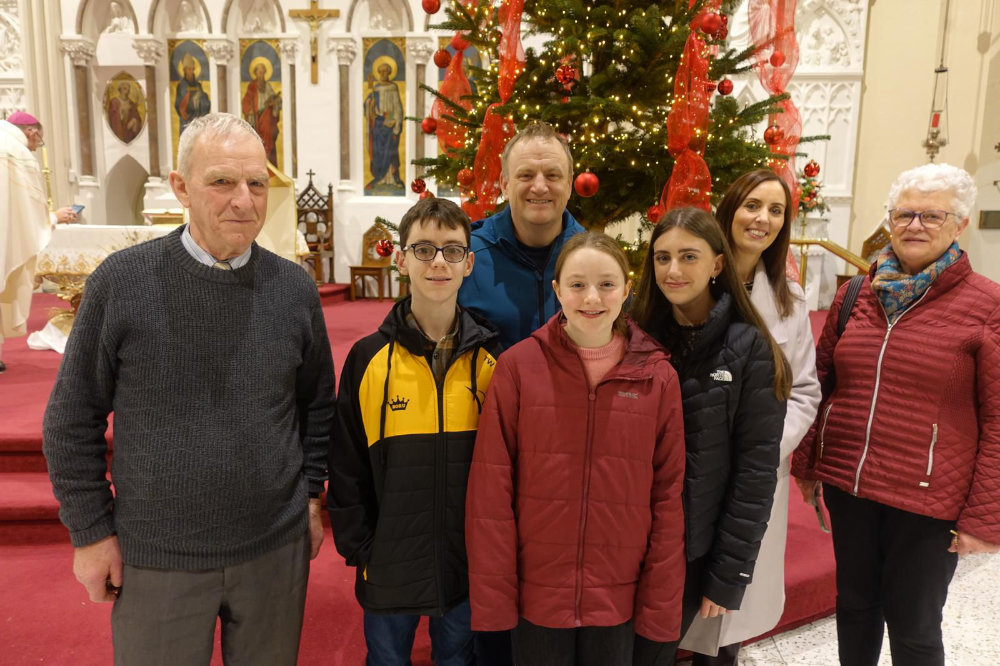


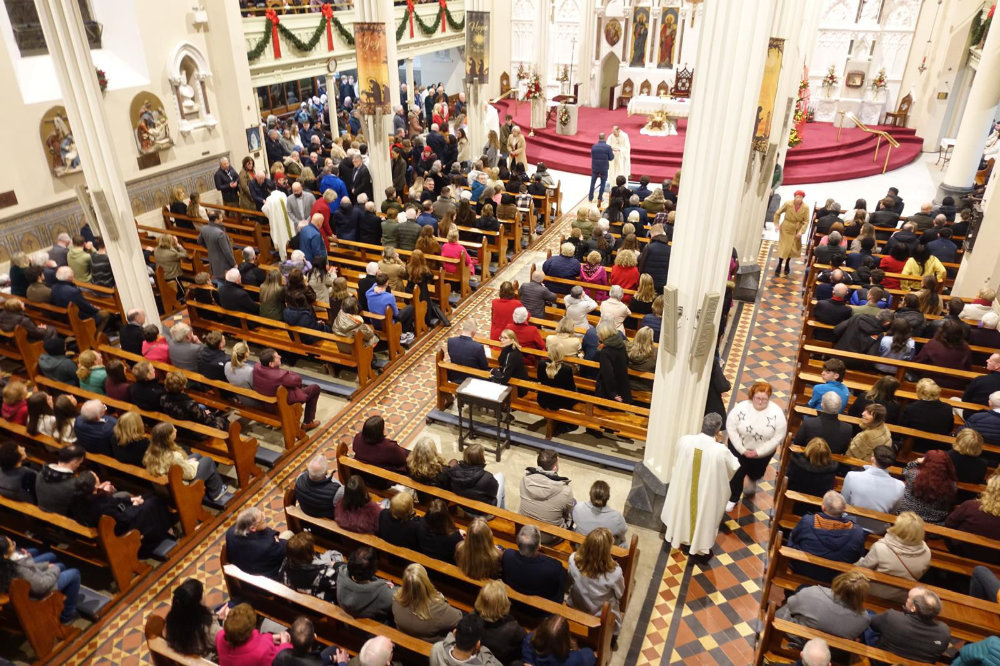

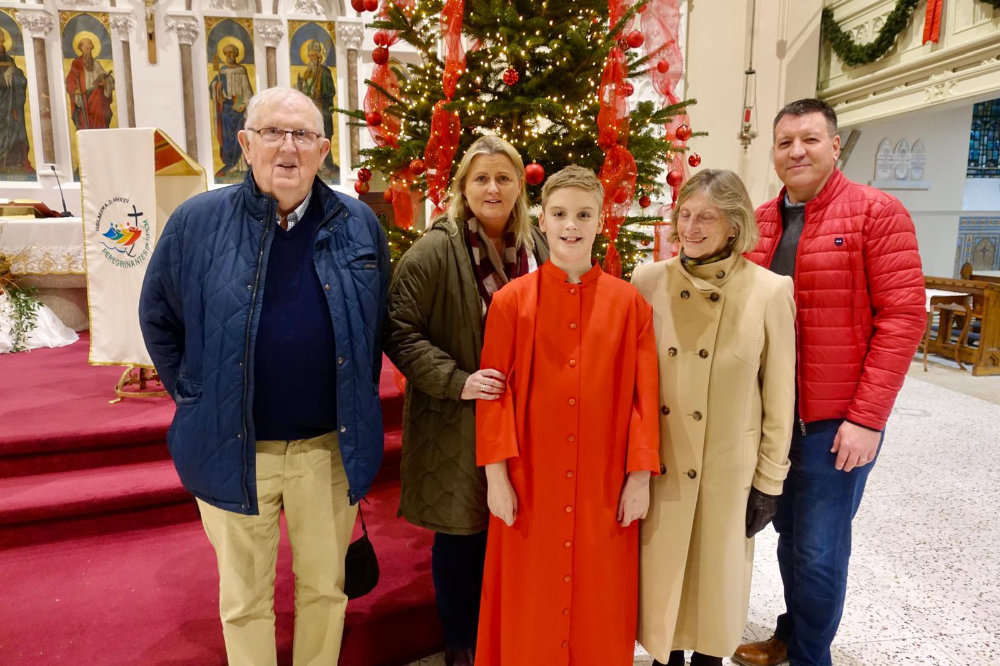
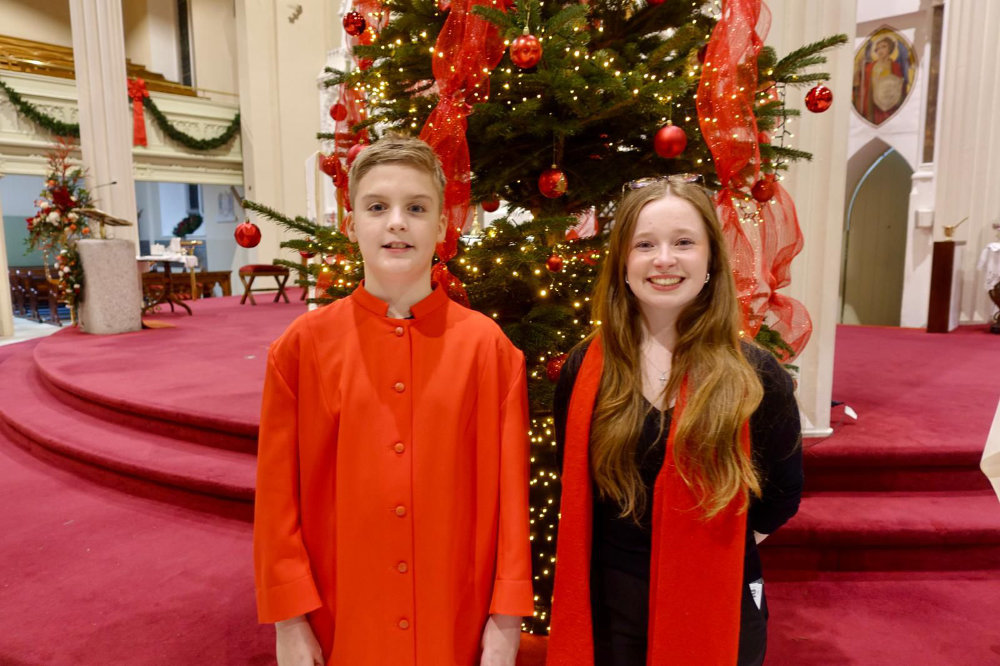
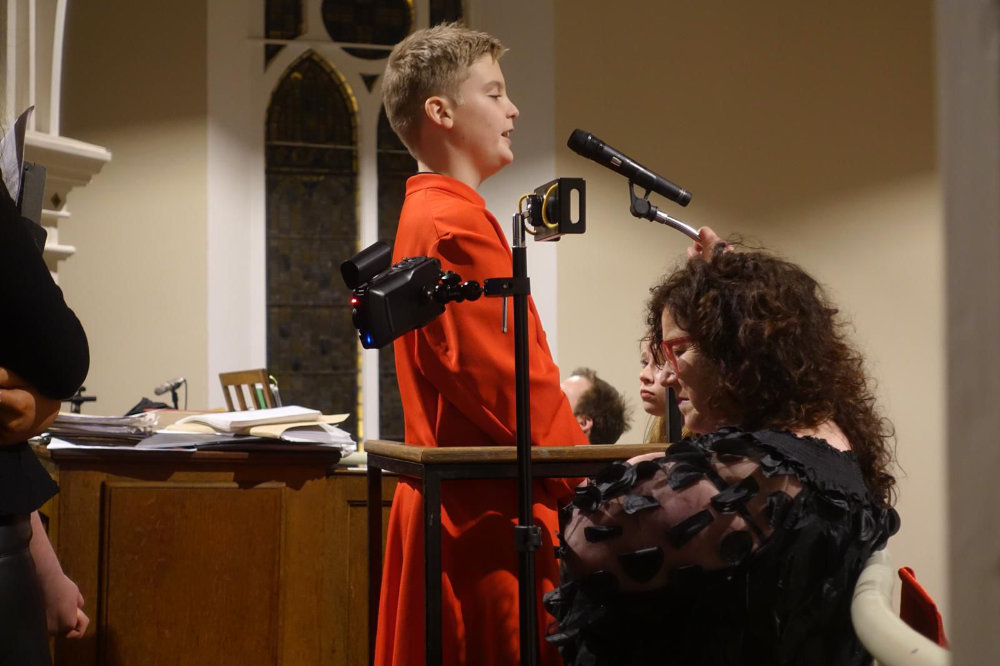

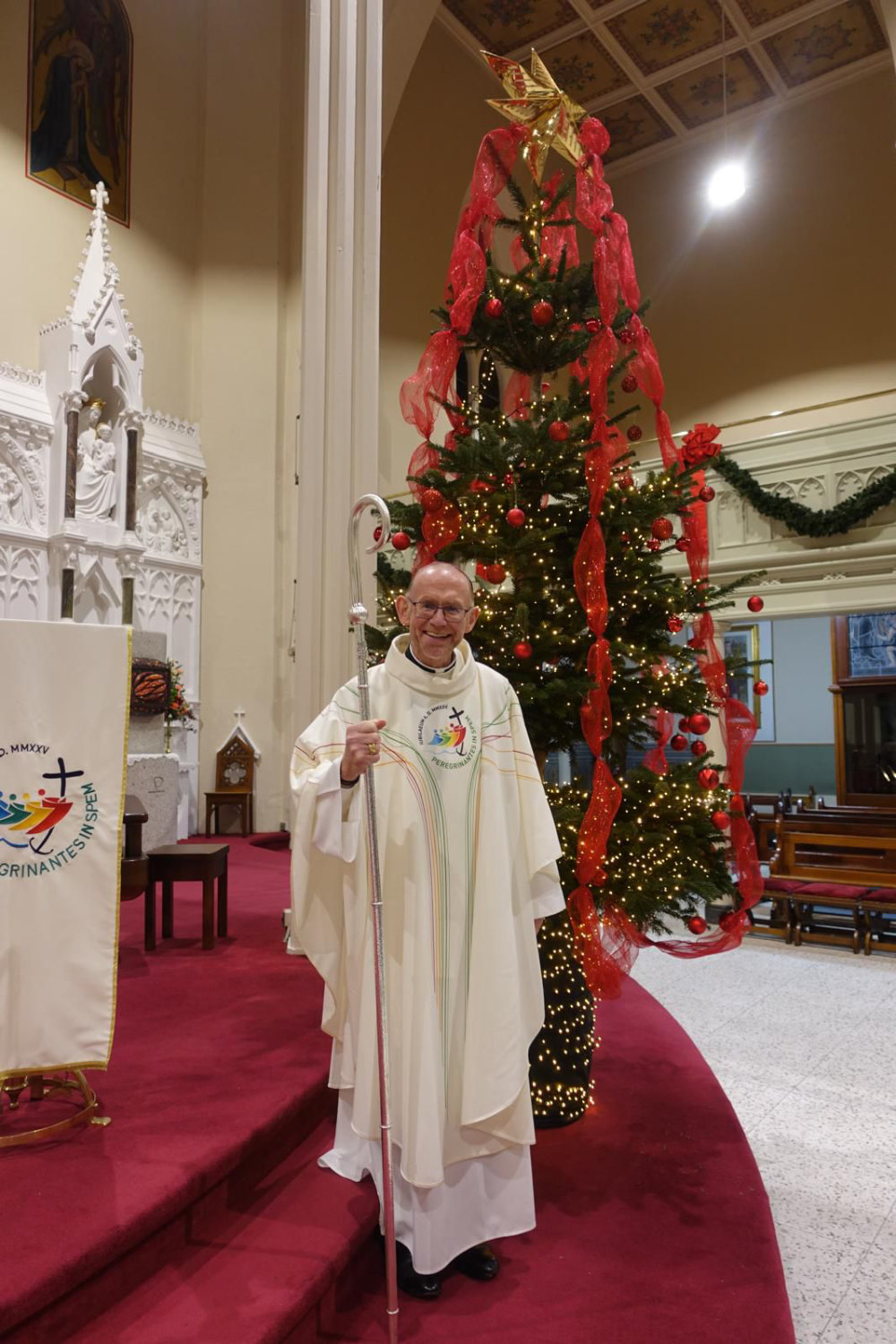
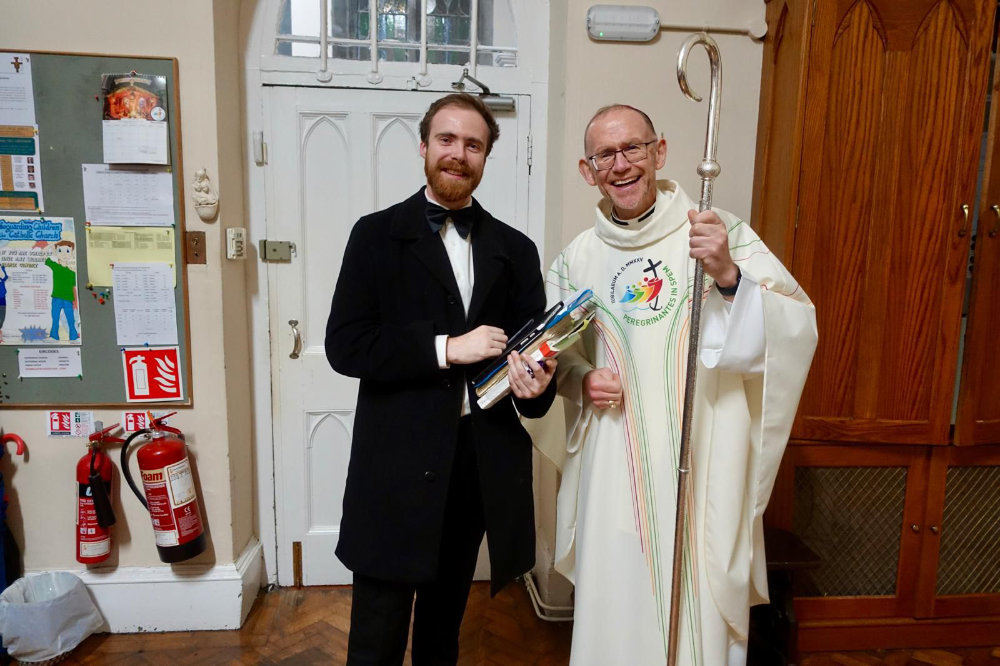
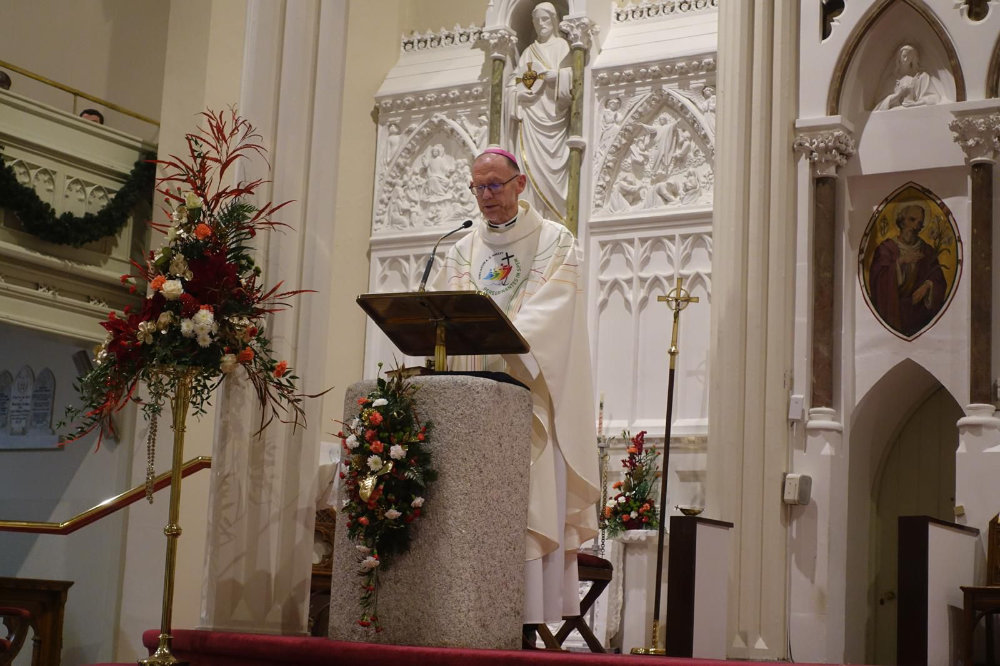
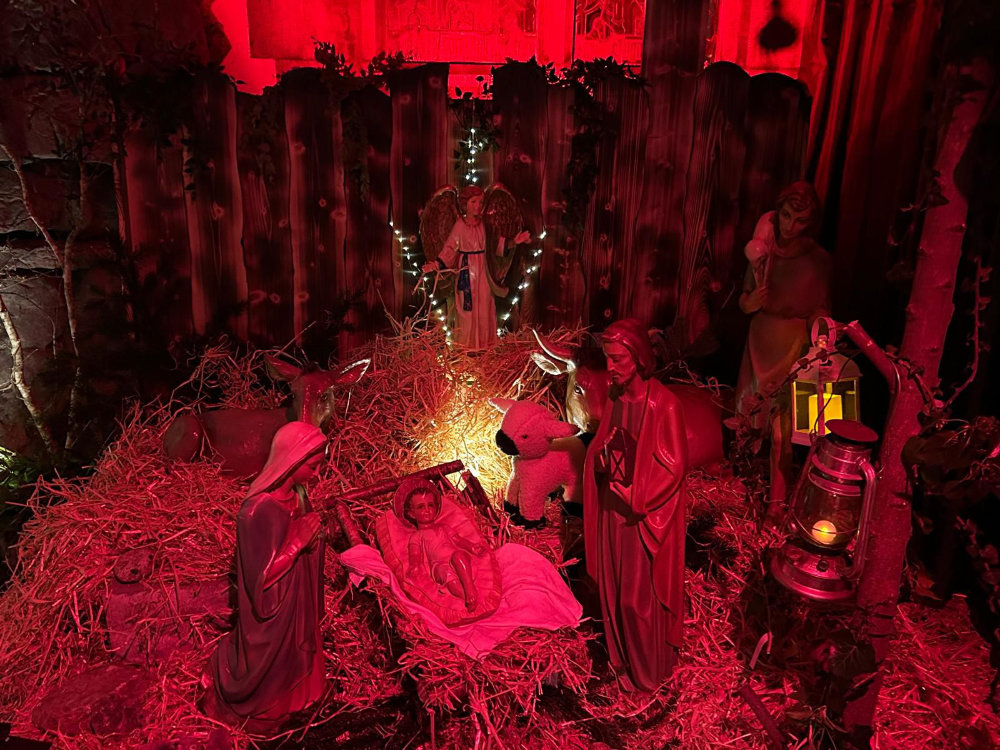
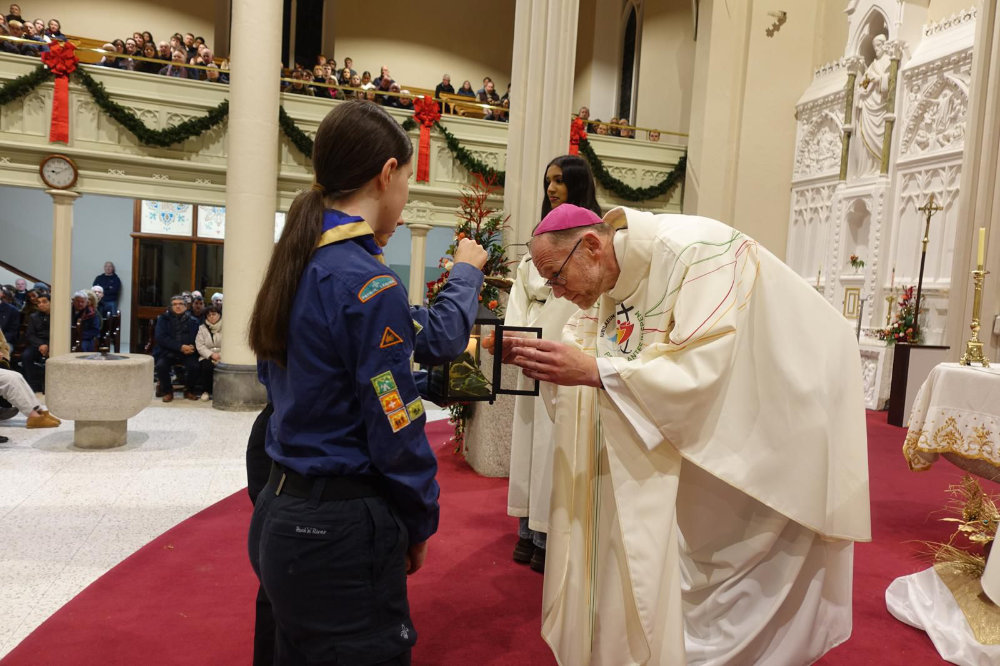


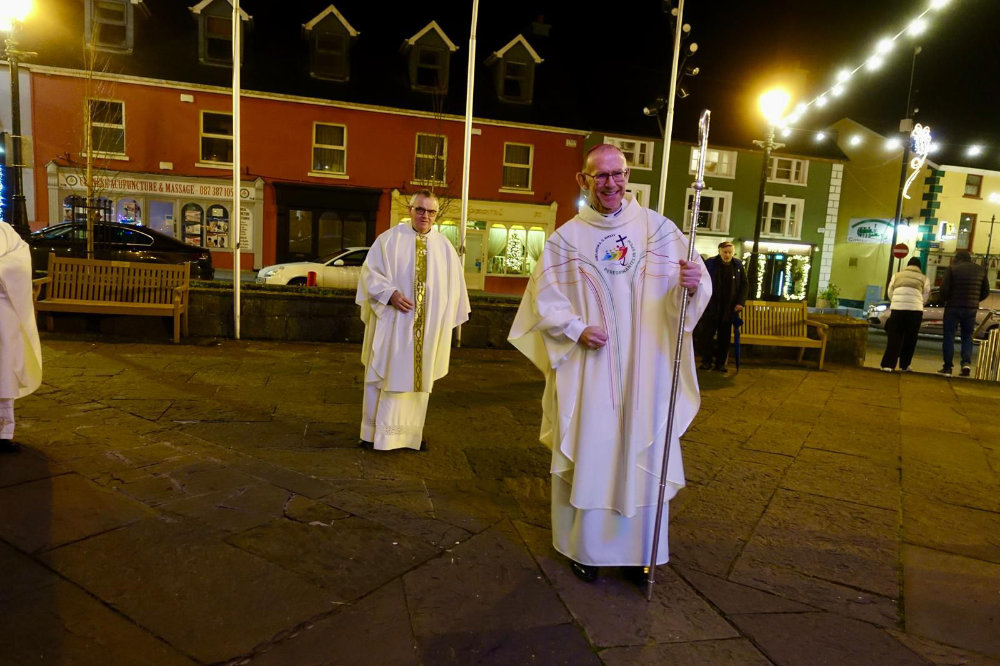
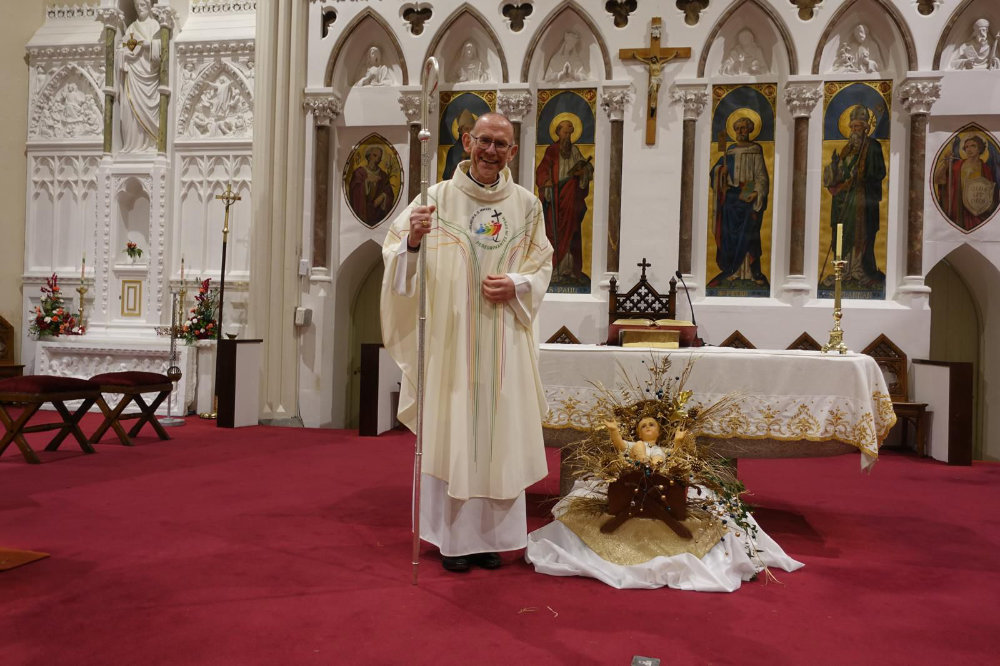
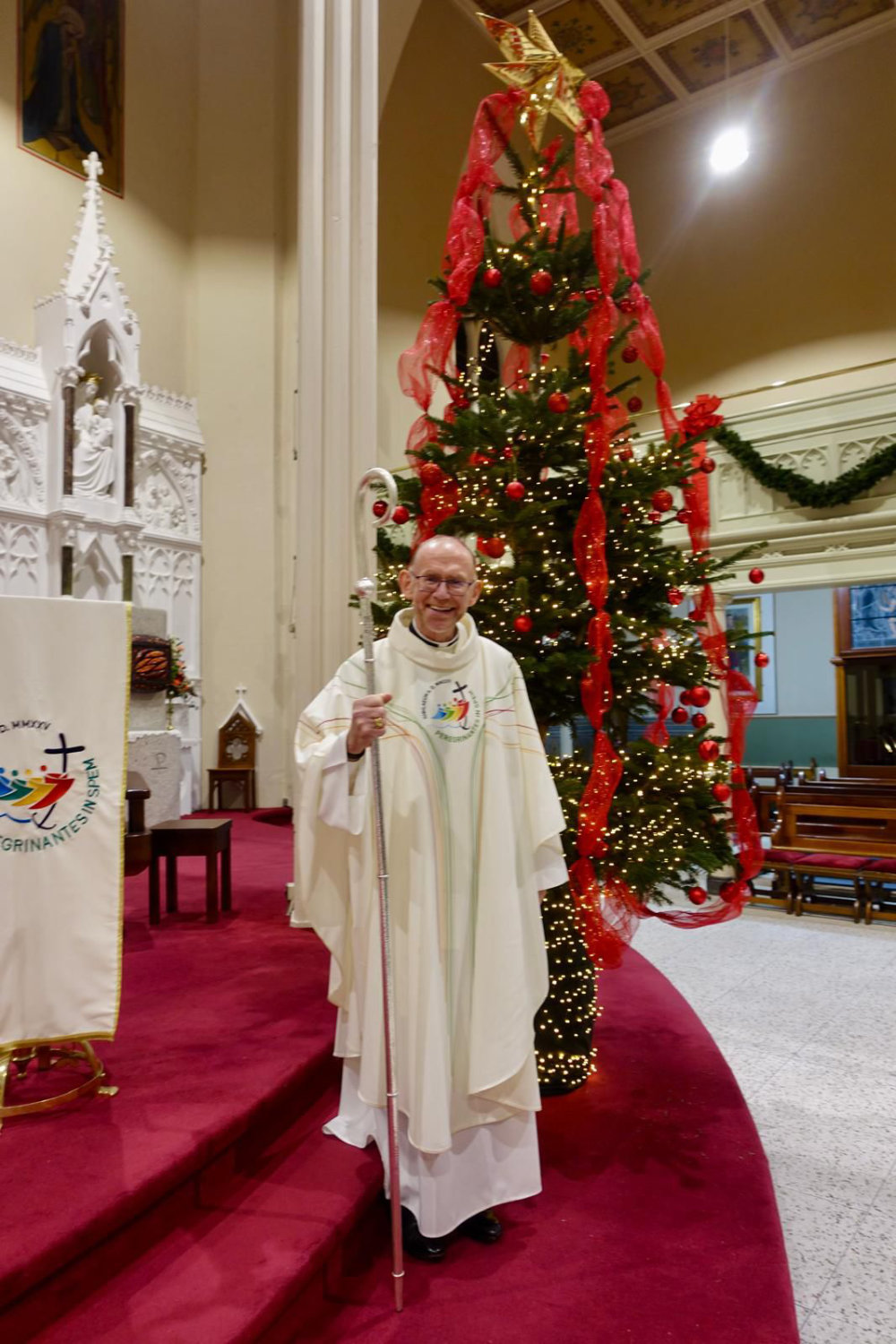

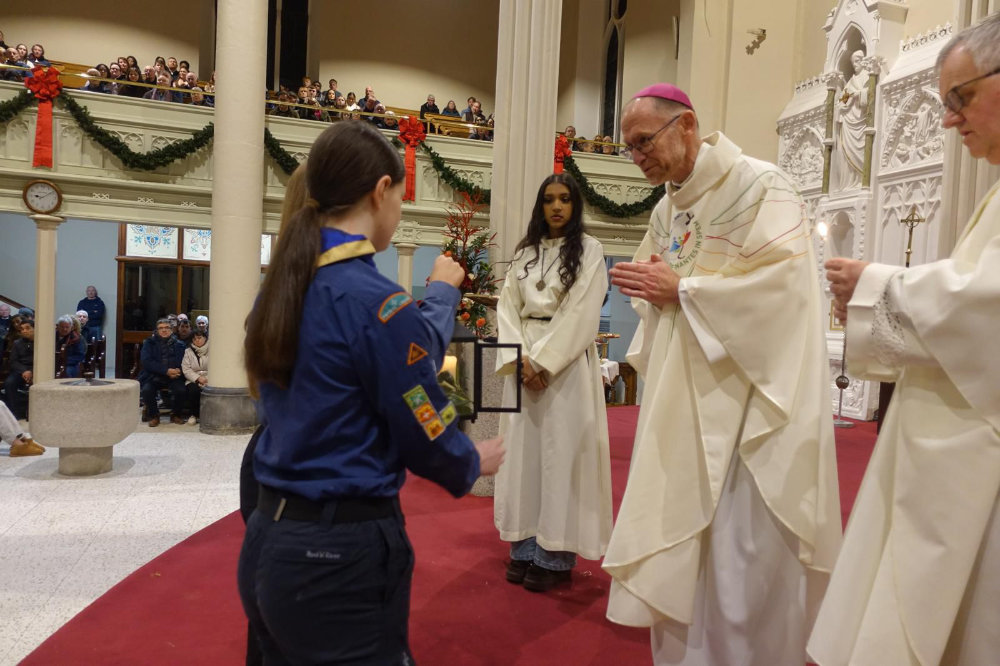
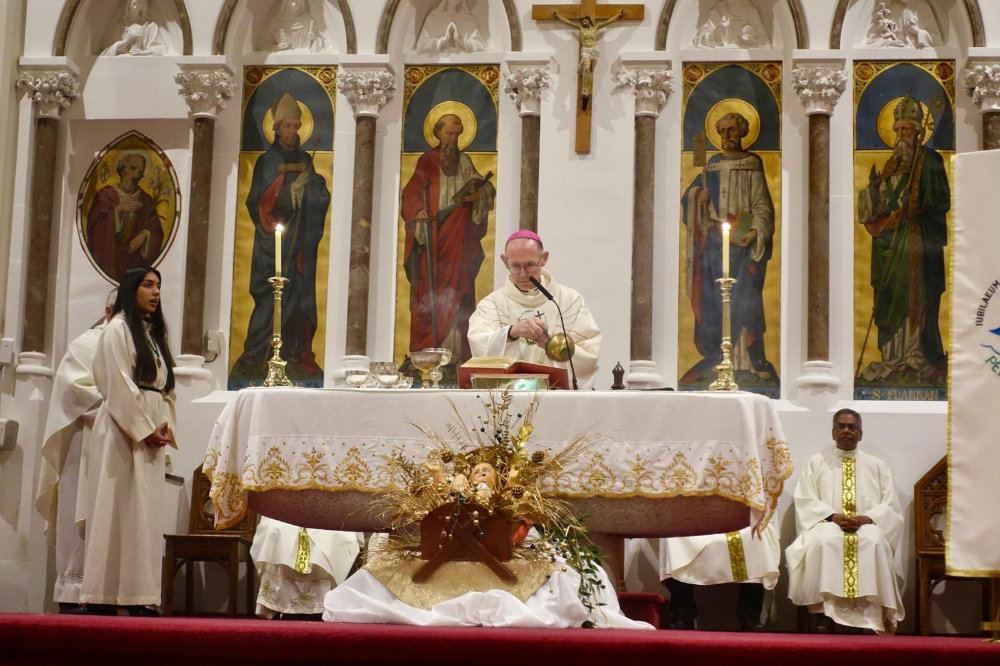
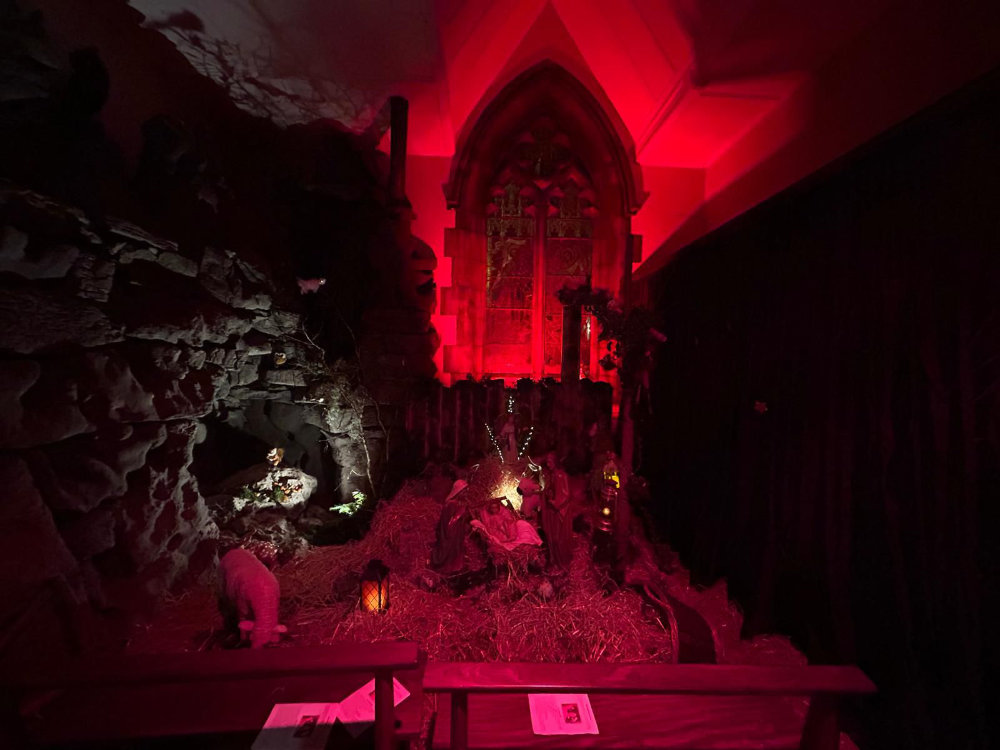
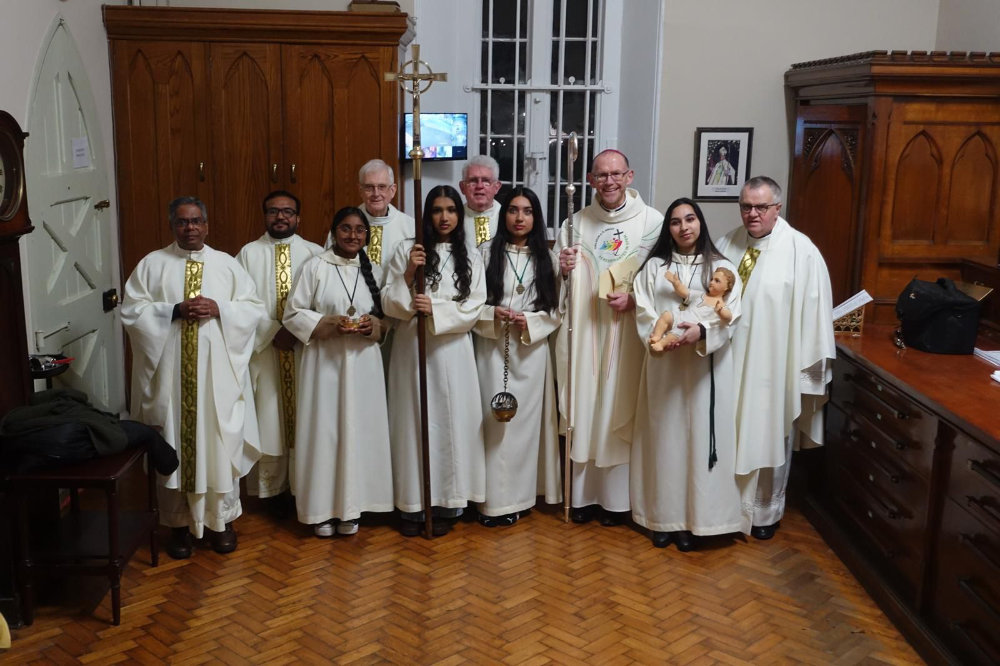
- “Christmas insists that the cycle of hatred is not broken by more hatred, but by courageous love, justice, and truth” – Bishop Monahan
At Christmas we gather around familiar scenes: the crib, the carols, the candlelight. We hear again the words of the angels, ‘Glory to God in the highest, and on earth peace to people of good will.’ It is a season of comfort and consolation.
Yet, if we listen closely, Christmas is also profoundly unsettling. God comes among us not in power, but in vulnerability, not in a palace but in a borrowed stable. The Child of Bethlehem quietly asks a question of every generation: ‘What does it mean to follow me in the world as it is, not as we wish it to be?’
To be a Christian today is not simply to cherish private beliefs or seasonal traditions. It is to allow the Gospel to shape our response to the harsh realities around us.
Recent months have confronted us with painful reminders of humanity’s capacity for violence and indifference. In our own country, the murders in Edenderry shattered a small community, leaving families, neighbours – and the whole country – grappling with shock, grief, and unanswered questions.
Far from home although the area is familiar to many Irish families, the killing of Jews on Bondi Beach, Australia, reminded the world, once again, of the poisonous persistence of antisemitism and hatred.
The past year has seen a continuance of major conflicts and wars, Ukraine, Russia, Gaza, South Sudan making the biggest headlines.
Sadly too we experience profound grief arising from tragedies on our roads in Ireland – north and south – from vehicle collisions, as these cause enormous suffering and pain to families of loved ones who never came home. Some collisions can be avoided with more care, better and more responsible behaviour. A culture change is needed.
At Christmas we proclaim that “the Word became flesh and lived among us.” That means that God is not distant from these tragedies. Christ is present in the tears of grieving parents, in the fear of communities who feel targeted, and in the bewilderment of those who ask how such things can happen.
To be a Christian is first of all to refuse the temptation to look away. We are called to mourn with those who mourn, to name evil for what it is, and to stand in solidarity with all who are wounded by violence, without qualification or selective compassion.
Vengeance and Forgiveness
The birth of Christ also challenges the logic of vengeance and despair. When violence erupts, the world often urges us to respond in kind: with suspicion, with blame, with the hardening of hearts. The Gospel proposes a different, more demanding path. Jesus will later say, “Love your enemies and pray for those who persecute you.” These are not easy words, especially when grief is raw. Yet Christmas insists that the cycle of hatred is not broken by more hatred, but by courageous love, justice, and truth.
The Christ-like, Christian Way, does not mean ignoring wrongdoing or excusing crime. It means seeking responses that protect life, uphold dignity, and heal communities rather than tearing them further apart. One of the most memorable, meaningful and challenging Christmas greetings I recall on a card one year read, ‘May the message of Christ disturb you this year!’ This message spoke to me.
Climate Justice and Biodiversity
Another “disturbing” call of Christian discipleship in our time is the pursuit of climate justice. The stable of Bethlehem places us face to face with a God who enters a fragile world. Creation itself groans today under the weight of climate change: extreme weather, rising seas, failing crops, and the loss of biodiversity. Those who suffer first and most are the poorest. Communities who have contributed least to the problem yet bear its harshest consequences.
In this context I admire the ongoing efforts of the Laudato Si Movement, the work of Trócaire and other committed groups, along with the international efforts of COP30 in Brazil, all who continue to work constructively to achieve climate justice for all of humankind.
To celebrate Christmas while remaining indifferent to this reality of protecting our fragile ecosystem and environment – a system within which all people and cultures are inextricably linked – is to miss something fundamental and essential. Caring for creation is not an optional extra or a political slogan; it flows directly from our faith in a Creator who declares the world “very good.”
Thus, the humility of the Incarnation calls us to a more humble way of living on the earth: consuming less, wasting less, and advocating more boldly for policies that protect our common home. This is costly discipleship. It asks us to examine lifestyles we have grown accustomed to and to choose solidarity over convenience, long-term responsibility over short-term gain.
And what, you may ask, are Christian Churches leading by example? What are the Churches doing about protecting our common home? Preserving our God-given environment for future generations has been a central plank of the Gospel mission: to love God and to love your neighbour as yourself. Pope Francis’ bestselling 2015 encyclical letter Laudato Si, and the follow up letter Laudate Deum, are contemporary testaments to this pastoral priority. On 17 January, in Newry, the Irish Inter-Church Meeting, the Irish Council of Churches and the Church leaders – representing the Catholic and Protestant Churches on the island – are jointly hosting a major conference on care for creation themed, ‘Let Justice Flow Like Rivers’, in order to help keep the issue high on the public agenda.
Migrants and Refugees
Closely connected to protecting our natural world is the treatment of migrants and refugees.
The Holy Family themselves were forced to flee as migrants, escaping violence and seeking safety in a foreign land. Saint Patrick was a migrant. Today, millions are on the move because of war, persecution, poverty, and climate-related disasters. They are often met, not with welcome, but with suspicion, hostility, or bureaucratic cruelty.
At Christmas, in particular, we must ask ourselves honestly: do we see Christ in the stranger, or do we see only a problem to be managed?
Christian faith does not deny the complexity of migration or the legitimate need for orderly processes. But our faith does insist on certain non-negotiables: the dignity of every human person from conception until natural death, the protection of all families, and the rejection of language that dehumanises. When migrants are reduced to numbers, stereotypes, or threats, the Gospel is betrayed. The Child in the manger identifies Himself with the vulnerable. “I was a stranger and you welcomed me,” He will say. These words do not allow us to remain neutral.
The demands of discipleship
The demands of being a Christian today can feel overwhelming. Violence, climate crisis, forced migration – these are problems far bigger than any one individual or parish. Christmas, however, does not ask us to save the world by our own strength. It asks us to be faithful. God changes history not through grand gestures alone, but through countless acts of love, courage, and perseverance: a community supporting those traumatised by violence; people of different faiths standing together against antisemitism, racism and xenophobia; families choosing more sustainable ways of living; parishes opening doors and hearts to newcomers.
Protecting the gift of new and vulnerable human life
During this holy season, as we celebrate the coming of Christ – the gift of life and hope to the world. In reflecting on the defeat of the pro-abortion motion in the Dáil this week, on Thursday night, I welcome this outcome as an affirmation of the dignity and value of every human life, especially the most vulnerable. Our pro-life conviction flows from a deep respect for the unborn child and a compassionate concern for mothers and families. At Christmas, we are reminded that every life is precious, and I urge continued commitment to supporting women with care, understanding, and life-affirming alternatives, so that both mother and child may flourish.
Hope does not disappoint
We are almost at the end of the Universal Jubilee Year of Hope that was proclaimed by the late Pope Francis in 2024, and that has been celebrated in prayer and pilgrimage by Catholics in Ireland around the globe. This special year had the virtue of ‘Hope’ as the theme right through. Why hope? Because hope is not naïve optimism. Hope is a disciplined choice to believe that light can shine in the darkness, even when the darkness feels thick. Hope therefore underpins the common good.
The Crib is not a denial of suffering; it is God’s answer to it. In Jesus, God enters fully into the brokenness of our world and refuses to abandon it. As we celebrate Christmas this year, may we allow its message to unsettle us as much as it comforts us. May the Christmas message draw us closer to those who are grieving in places like Edenderry, to Jewish brothers and sisters living with fear, to those who have lost loved ones in Ukraine, Gaza, South-Sudan, to communities battered by climate injustice, and to migrants seeking safety and dignity.
To be a Christian in today’s world is demanding – but it is also profoundly meaningful. For in choosing the way of Christ, we choose the only path that leads, ultimately, to peace on earth.
May the Prince of Peace be born anew in our hearts, our communities, and our shared commitment to justice and compassion this Christmas.
I offer my Christmas blessing to you and to your loved ones!
- Bishop Fintan Monahan is Bishop of Killaloe, and Jubilee 2025 Universal Year of Hope designate of the Irish Catholic Bishops’ Conference.